Stop Springtails Escaping Through Terrarium Ventilation Mesh
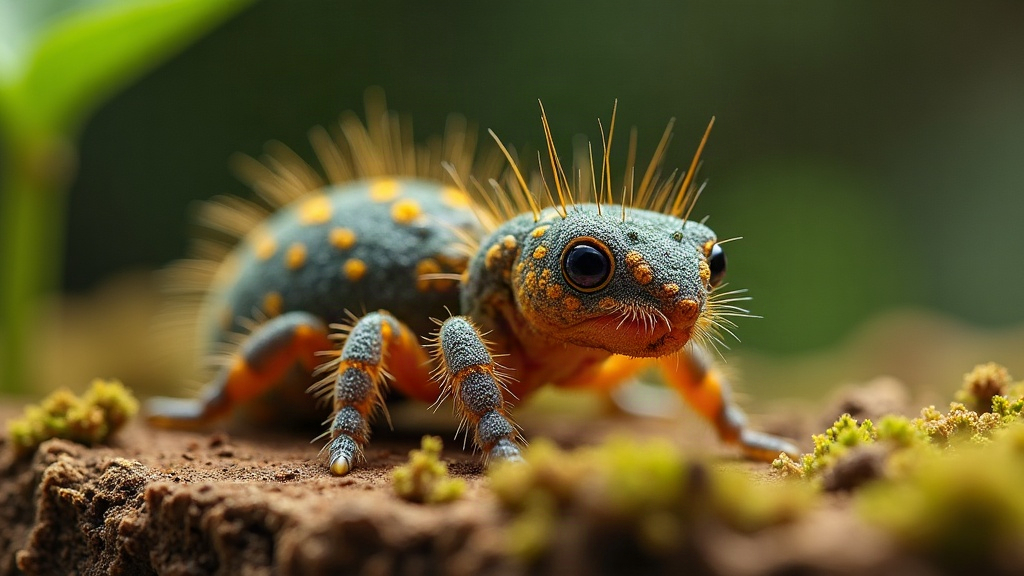
Springtails slipping out through a terrarium’s ventilation mesh almost always comes down to one of three things: the mesh openings are bigger than the springtails themselves, humidity is pooling right at the vents, or the colony has simply outgrown its space. The fix isn’t to choke off airflow. Swap in a finer barrier, dry out the areas around the vents a bit, and keep the population in check. Do those three things and you’ll keep your springtails inside the tank while your plants and animals still get the air exchange they need.
Why Springtails Escape From a Terrarium
Springtails are tiny, moisture-hungry arthropods that most bioactive keepers rely on as part of their cleanup crew. They munch through mold, decaying leaves, shed skin, and general organic debris. Useful little workers, no doubt, but some species are small enough to just walk (or hop) straight through a standard insect screen.
Escapes tend to happen when:
- The ventilation mesh has openings that are too large.
- Condensation is building up right below or on the vent itself.
- The substrate is soaked throughout the enclosure, not just in spots.
- The population has exploded and there isn’t enough room.
- The lower substrate layers have run low on food.
- Bright light or dry air up top pulls springtails toward the vents looking for a better microclimate.
Spotting a couple of stray springtails near a vent once in a while isn’t a big deal. But if you’re seeing a steady trickle of them outside the enclosure day after day, that’s your sign the mesh or the moisture balance needs work.
Choose a Finer Ventilation Barrier
Honestly, the most reliable fix is a second, finer mesh layer behind whatever ventilation you’ve already got.
Standard metal insect screen holds up fine against fruit flies and bigger bugs, but for temperate springtails, tropical species, and especially juveniles, the gaps are often just too wide. Look instead for fine stainless-steel mesh, polyester mesh, or nylon mesh, something with openings tight enough to stop springtails cold while still letting air pass through.
Good Mesh Options
A few materials worth considering:
- Fine stainless-steel mesh: Tough, washable, won’t rust, good for a build you plan to keep for years.
- Nylon or polyester filter mesh: Cuts easily, attaches easily; just pick a tightly woven, non-toxic version.
- Micron filter fabric: Blocks even the smallest springtails, but if you cover a large vent with it, expect airflow to drop noticeably.
- Fine organza fabric: Cheap and easy for a small vent patch, though it’s more of a stopgap than a long-term fix.
Skip cotton fabric, paper towel, or dense sponge as a permanent solution. They hold onto moisture, invite mold, and choke off ventilation far more than you’d expect.
Install the Mesh Without Blocking Airflow
Slap mesh over every single opening and, if the material’s too dense, you’ll end up with a stale, stagnant tank. Better approach: use a fine barrier but give it enough total surface area to keep air moving.
Say your terrarium has a big screen lid on top. Fitting a fine mesh layer under the whole lid usually beats taping over just part of it. Air still flows across the entire top, springtails just can’t get through.
For side or rear vents, here’s the process:
- Cut the mesh a little larger than the vent opening, better too big than too small.
- Attach it to the inside of the enclosure whenever you can.
- Use aquarium-safe silicone if this is going to be permanent.
- Non-toxic tape is fine for a quick, temporary patch, nothing more.
- Let the silicone cure completely before animals go back in. Don’t rush this step.
Mounting the barrier on the inside also keeps it away from dust, bumps, and any pet that wants to poke at it. Bonus: it looks cleaner from the outside too.
Reduce Moisture Near the Vents
Springtails gravitate toward whatever’s most humid. If water is running down the glass or gathering near a vent panel, they’ll climb right up toward it, and eventually find their way to the mesh.
Watch out for these moisture traps:
- Misting straight onto the ventilation screen.
- A drainage layer that’s flooded instead of just damp.
- A water dish sitting directly under a vent.
- Sphagnum moss packed wet against the enclosure walls.
- Poor drainage or compacted substrate that won’t let water pass through.
The lower substrate should stay moist, springtails need that, but don’t saturate the whole enclosure. A well-run bioactive setup has a moisture gradient: damper down under the leaf litter and moss, drier as you move up toward the surface and vents.
Practical Moisture Adjustment
Seeing springtails bunch up near the top vent? Try this for a few days:
- Cut back on misting.
- Water your plants at the roots instead of spraying the whole tank.
- Add a layer of dry leaf litter on the surface.
- Pull wet moss away from the glass and vents.
- Make sure excess water actually reaches the drainage layer instead of pooling.
Don’t overcorrect into bone-dry territory, though. Springtails need moisture to survive, and a sudden dry spell can hurt them along with anything else in the tank that depends on humidity.
Prevent Overcrowding and Food Shortages
A big springtail colony will spread into every corner of the enclosure it can reach. In an established setup that’s usually nothing to worry about, but push the population too far and escapes tend to pick up.
If you’re seeing springtails coating the glass, vents, and lid every single day, thin them out. Move a portion to a separate culture, or use them to seed a new bioactive enclosure.
You can also add a small, controlled food source right on the substrate surface:
- A few grains of uncooked rice.
- A pinch of nutritional yeast.
- A small chunk of mushroom.
- Commercial springtail culture food.
Go light on it. Overfeed and you’ll get mold, plus a population boom that outpaces what the enclosure can actually support. Once or twice a week, a small amount, is usually plenty for a tank that’s already established.
Check the Terrarium’s Ventilation Design
Still seeing escapes even after adding finer mesh? Time to look at the bigger picture, the overall ventilation layout. A terrarium with only a top vent tends to trap humid air right under the lid, which is basically an invitation for springtails to gather there.
Cross ventilation works better in most cases. That just means one vent sits low on the enclosure and another sits higher up, so fresh air comes in one side while warm, humid air exits the other.
For tanks housing tropical plants or animals, it’s a balancing act:
- Too little ventilation and you’re looking at mold and stale air.
- Too much and the substrate dries out fast.
- Fine mesh needs to keep springtails out without turning the tank into a sealed box.
If you do adjust the ventilation, change one thing at a time and keep an eye on humidity, condensation, plant health, and animal behavior over the following days.
What to Do About Escaped Springtails
Springtails that do make it out are, for the most part, harmless around the house. They need consistently damp conditions to survive, so the vast majority won’t last long in a dry living room.
To clean up after them:
- Wipe down nearby surfaces with a damp cloth.
- Vacuum around the terrarium stand and base.
- Cut down on condensation around the enclosure itself.
- Check nearby houseplants if that part of the room runs humid.
Skip the insecticide spray near the terrarium. The residue can wipe out the springtails you actually want inside, and it can be genuinely dangerous for reptiles, amphibians, isopods, or sensitive plants nearby.
Conclusion
Want to stop springtails escaping through your terrarium’s ventilation mesh? Fit a finer inner mesh layer, dry out the areas around the vents, and keep the colony from overcrowding. Do that and you keep the airflow your terrarium depends on, while your cleanup crew stays exactly where you want it: inside the tank.