How to Keep Ficus Villosa Compact in a High-Humidity Cabinet Terrarium
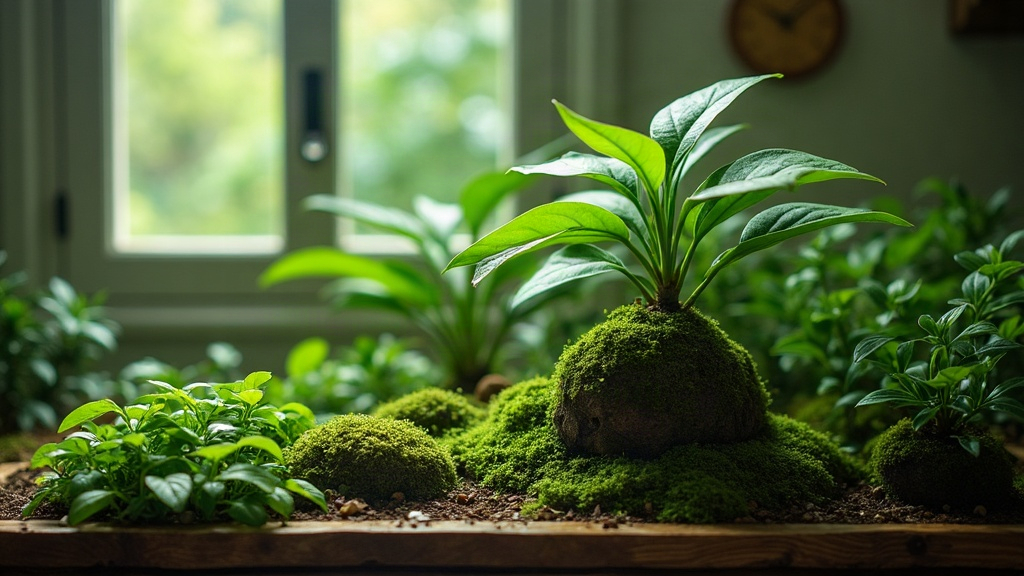
A Shingling Fig That Wants to Run Away
Ficus villosa is a quick climber with small, softly hairy leaves. Give it a warm, humid cabinet and it will sprint up any surface you offer. That enthusiasm is the whole problem. The exact conditions it adores, high humidity, steady warmth, and gentle light, also coax it into long, stretched stems with bare gaps between the leaves. You fix this with four levers: more light than most people expect, regular pruning, a root zone that holds moisture but still breathes, and steady training. Get those right and you end up with a dense creeping mat instead of a leggy vine.
Why Ficus villosa gets leggy in a cabinet
This plant is a shingling climber. In the wild it presses its small leaves flat against tree bark and creeps upward, hugging the trunk. When it can’t find anything to climb, it switches tactics and throws out long, thin runners with widely spaced leaves, hunting for support. High humidity makes those runners shoot out fast, and low or one-sided light stretches the internodes (the stem between leaves) even further. Compact growth is mostly a matter of correcting those three triggers: light, support, and pruning.
Light: the single biggest lever
Most people keep cabinet plants at “medium” light. Ficus villosa wants more than that. It grows densest under bright, diffused light.
- Aim for 100 to 200 µmol/m²/s PAR at leaf level. That’s roughly bright indirect light near the top shelf of a grow-light cabinet.
- A full-spectrum LED bar set 20 to 30 cm (8 to 12 in) above the plant works well. A single weak strip hung far from the foliage does almost nothing.
- Small, tightly spaced leaves mean the light is right. Large, pale leaves with big gaps between them mean you should raise the intensity or move the plant closer.
Brighter light also speeds up the plant’s respiration and can dry the air a touch, so pair stronger light with stable humidity (more on that below).
Pruning and pinching for density
Ficus villosa answers a cut exactly the way you want: every snip forces branching at the nearest node, which doubles the growing tips and builds density fast.
- Use clean, sharp scissors or micro-shears and cut just above a node, leaving 2 to 3 leaves on each stem.
- Tip-pinch actively growing shoots every few weeks. This keeps the plant low and bushy rather than long and trailing.
- Remove thin, bare, or yellowing runners entirely. They rarely leaf back out and only waste the plant’s energy.
- Don’t be timid. An established Ficus villosa can lose a third of its foliage in one go and bounce back within two to three weeks.
Save every cutting. This fig roots readily in sphagnum moss or plain water, and rooting the tips is the easiest way to refresh a plant that has grown out of shape.
Substrate and mounting
You can grow this species two ways in a cabinet: as ground cover in substrate, or mounted on a background as a shingler. Both need a root zone that stays moist but never soggy.
- Substrate option: an ABG-style mix (tree fern fiber, sphagnum, orchid bark, charcoal) holds moisture while staying airy. Skip heavy potting soil, which compacts under high humidity.
- Mounted option: pin stems against a cork bark slab, a hygrolon panel, or a moss background. The leaves flatten against the surface and create that tight shingle effect that reads as naturally compact.
- Keep the roots slightly damp. In a cabinet running at 80% humidity or more, watering every 5 to 10 days is usually plenty, but check the substrate instead of following a calendar.
Humidity, airflow, and temperature
Ficus villosa loves humidity, yet stagnant, saturated air produces soft, floppy growth and invites rot.
- Hold relative humidity in the 70 to 90% range. Typical cabinet conditions are already ideal.
- Add gentle airflow with a small USB fan running intermittently. Moving air strengthens stems and keeps leaves firmer, which visually reads as compact.
- Keep temperatures between 20 and 28°C (68 to 82°F). Cold drafts or big temperature swings slow growth and leave the plant looking sparse.
Training for a tight, creeping habit
Training is what turns pruning into an actual shape.
- Pin or wrap stems against a cork or moss surface using floral pins, wire, or small clips. Leave them until they attach on their own.
- Redirect upward-climbing shoots horizontally to fill bare spots. Horizontal growth pushes out more side shoots than vertical growth does.
- For a ground-cover look, let cut stems trail and then re-pin them so the mat thickens rather than spreading thin.
Fertilizing sparingly
Too much fertilizer, especially nitrogen, pushes long, weak growth. That’s the opposite of what you want.
- Feed once a month with a weak, balanced orchid or terrarium fertilizer at quarter to half strength.
- Skip feeding in winter or whenever growth slows. In a high-humidity cabinet this plant already grows fast on its own.
Keep it compact long-term
Compact Ficus villosa is a habit you maintain, not a one-time fix. Bright diffused light, regular pruning and pinching, rooted cuttings to refresh the planting, moving air, and light feeding. Stick with that, and this charming shingling fig will hold as a dense green carpet or wall in your cabinet instead of a stringy vine reaching for the light.