Spring Terrarium Reset: Fix Leggy Growth After Winter
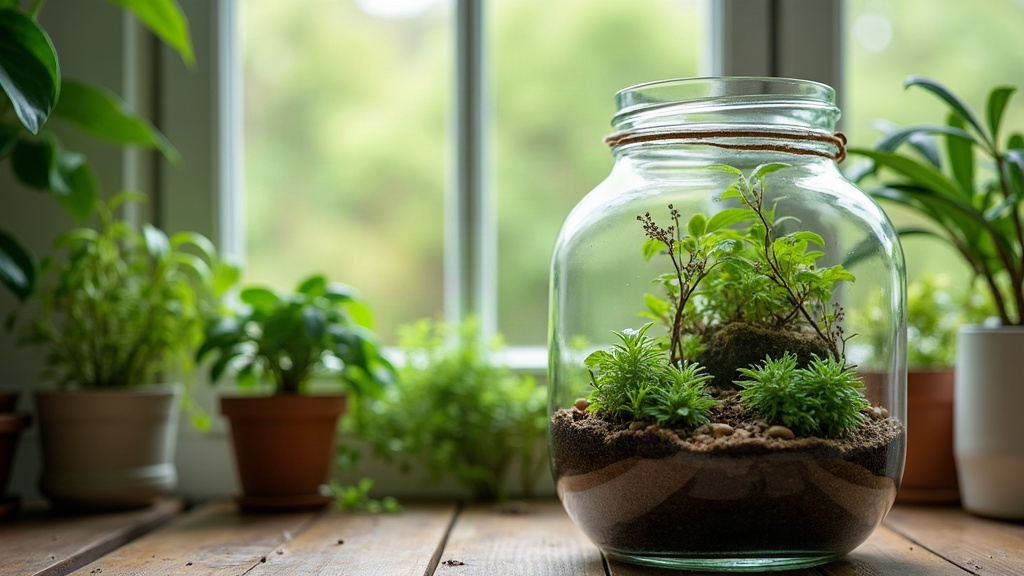
Winter is rough on terrariums, closed or open, no exceptions. Shorter days, weaker light, drier indoor air: all of it pushes plants to stretch toward whatever light source they can find. What you end up with is pale, thin “leggy” stems and gaps where your once-lush little landscape used to be. A spring reset, trimming back overgrowth, refreshing the substrate, replanting the bare patches, is honestly the single best thing you can do to bring the whole thing back to life. Here’s how to do it without shocking the plants or throwing the ecosystem out of balance.
Why Terrariums Get Leggy in Winter
Leggy growth is basically a plant’s way of searching for light. When it isn’t getting enough, it elongates its stems to reach further, and inside a terrarium that tendency gets amplified by a few other factors:
- Reduced daylight hours from November through February
- Window placement changes (curtains, holiday decorations, anything that blocks light without you noticing)
- Cooler room temperatures that slow metabolism, but not evenly across all plants
- Less frequent misting or maintenance, because let’s be honest, winter months get busy
End result: thin, stretched stems, shrinking leaves, yellowing near the base, and moss that looks sparse or brownish instead of the dense green carpet you started with.
Step 1: Assess Before You Touch Anything
Resist the urge to grab the scissors right away. Spend 10 minutes actually looking at what’s going on in there:
- Which plants are stretched but still alive (green tips, even if the stems are bare)?
- Which sections have died back completely?
- Is the moss patchy, bleached, or compacted into a hard mat?
- Any mold, algae film on the glass, or standing water pooling at the base?
What you find here decides everything that follows: a light trim, a partial replant, or a full substrate refresh.
Step 2: Prune Leggy Stems Correctly
Chopping off the tops isn’t enough. Leggy growth needs a strategic cut if you want it to come back bushier instead of just taller again.
- Use sterilized scissors or micro-snips. A humid enclosure is basically a petri dish, so don’t introduce bacteria on a dirty blade.
- Cut just above a leaf node, never in the middle of bare stem. New growth only comes from nodes, cutting blind wastes the effort.
- Remove no more than 30% of a plant’s total growth in one go. More than that and you risk sending it into shock.
- Save the healthy cuttings. Pothos, fittonia, peperomia, these root easily right back in the same enclosure, or in a small jar of water on the windowsill while you wait.
For moss, snip the brown or bleached patches with small scissors rather than pulling them out by hand. Pulling tends to uproot the healthy rhizoids sitting right next to the damaged bits.
Step 3: Refresh the Substrate (Without Rebuilding Everything)
A full teardown is rarely needed, and honestly it’s overkill most years. Instead:
- Scoop out the top 1 to 2 inches of substrate, wherever roots look exhausted or the soil has compacted into a brick
- Replace it with a fresh terrarium mix (the right blend of soil, charcoal, and drainage material depends on what you’re growing)
- Leave the drainage layer at the bottom alone, unless you spot standing water or a bad smell. That’s the sign it needs a full rebuild, not just a top-up
Step 4: Replant Bare Spots
Spring is exactly when you want to fill in the gaps winter left behind.
- Use the cuttings you saved in Step 2, or pick up a few small starter plants
- For areas still recovering, go with compact, low-light-tolerant species (nerve plants, baby’s tears, small ferns all work well)
- Press new moss patches firmly against the substrate. Air gaps underneath are the number one reason transplanted moss just… doesn’t take
- Water lightly and mist to help roots settle, but don’t soak the fresh substrate right away
Step 5: Reintroduce Light Gradually
After months of low light, don’t yank your terrarium straight into direct spring sun. That soft winter growth will scorch fast. Better approach:
- Ramp up light exposure gradually, over 1 to 2 weeks
- Give the terrarium a quarter turn every few days so growth stays even on all sides
- Running grow lights? Add 30 minutes of exposure every few days until you hit your target photoperiod, usually 8 to 10 hours
Step 6: Reset Your Maintenance Routine
Growth is picking up speed again, so this is the moment to recalibrate watering and ventilation too.
- Bump up misting frequency slightly, since transpiration increases as plants wake up
- For closed terrariums, crack the lid open once a week to swap out stale air and check for condensation buildup
- Watch for a flush of new, fast growth in the first 2 to 3 weeks. That’s your sign the reset actually worked
Common Mistakes to Avoid
- Over-pruning in one sitting. Spread the heavy cuts across two or three weeks instead of doing it all at once
- Skipping tool sterilization, which can spread fungal problems fast in a humid, enclosed space
- Replanting too deep. Most terrarium plants want shallow planting, roots just barely covered
- Ignoring the glass. While it’s open for maintenance anyway, wipe down any algae or mineral buildup you see
Conclusion
A spring terrarium reset isn’t a do-over. It’s strategic pruning, a substrate refresh, and patient replanting, the combination that lets your miniature ecosystem come back stronger than it was before winter hit. Trim with intention, bring the light back up slowly, and give new plantings a few weeks before you judge the results. By early summer, that washed-out, leggy winter look will be gone, replaced by the dense, vibrant growth terrariums are supposed to have in the first place.