Stop Scale Insects Spreading in a Closed Terrarium Collection
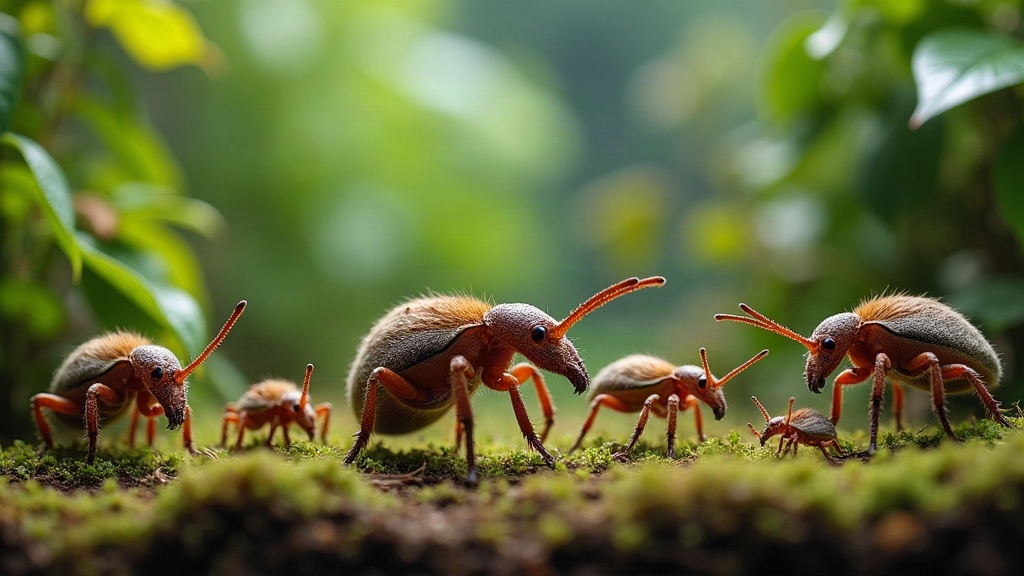
Scale insects move through a closed terrarium collection fastest when keepers share tools, soil, or plants between enclosures without quarantining anything first. Stopping an outbreak comes down to three moves: isolate the affected tank right away, physically pick off every visible insect and egg mass, and break up the humid, stagnant conditions that let scale populations explode in the first place. Get this right and you can usually save both plants and animals, no need for broad-spectrum pesticides that have no business being sprayed inside a sealed ecosystem.
Why Scale Insects Thrive in Closed Terrariums
A closed terrarium is basically a tiny greenhouse: warm, humid, and dead still. That’s exactly the environment scale insects (both soft scale and armored scale species) go looking for. In an open setup, airflow and the odd predator keep numbers in check. In a sealed tank, none of that applies. Instead you get:
- Constant high humidity (often 80–100%)
- No wind or disturbance to knock crawlers off their perch
- Few or no natural predators
- Dense foliage that hides egg masses from view
Once scale gets a foothold on one plant, the mobile first-instar nymphs (called “crawlers”) wander to neighboring leaves, drop into the substrate, and eventually hitch a ride to other enclosures on hands, tools, or a newly added plant.
How Scale Insects Actually Spread Between Tanks
Trace most multi-terrarium outbreaks back far enough and you’ll land on one of these:
- Shared misting bottles or tools – Crawlers and eggs cling to nozzles, tweezers, scissors, whatever you’ve been using.
- New plant introductions – Nursery stock is, by a wide margin, the number one source of scale infestations. A single unchecked plant can seed an entire rack.
- Shared substrate or leaf litter – Egg masses sit tight in moist organic matter and wait.
- Hands and sleeves – Crawlers are tiny, nearly see-through, and move with you while you mist or feed without you noticing a thing.
- Proximity airflow – In open-front cabinet setups, shared ventilation can carry crawlers a short distance between neighboring tanks.
If you’re running several tanks in one room or on one rack, assume every enclosure is a potential vector until you’ve proven otherwise.
Step-by-Step: Containing an Active Outbreak
1. Quarantine Immediately
Move the infested terrarium to a different room if you can swing it. At the very least, stop sharing any tools between it and the rest of your collection. Dedicate a misting bottle, scissors, and gloves to that one tank and nothing else.
2. Identify the Species and Life Stage
What are you looking at?
- Soft scale: waxy, dome-shaped bumps (brown, tan, or white) sitting on stems and the undersides of leaves, usually trailing sticky honeydew and, eventually, sooty mold.
- Armored scale: flatter, shell-like plates with no honeydew to speak of.
Check new growth tips and leaf axils first. That’s where they lay eggs most often.
3. Manual Removal
For a light infestation, this is enough on its own:
- Dab each visible scale with a cotton swab soaked in 70% isopropyl alcohol.
- Scrape egg masses off with a soft toothbrush under running water, outside the tank, not over the substrate.
- Prune and toss any leaf that’s heavily colonized. Don’t waste time trying to rescue it.
4. Treat with Terrarium-Safe Methods
Skip foggers and systemic pesticides in bioactive or amphibian/invertebrate setups. They’ll kill off your springtails and isopods right along with the scale, and sensitive animals won’t fare much better. Use these instead:
- Neem oil spray (0.5–1% dilution) sprayed directly on foliage, repeated every 5–7 days for three cycles to catch newly hatched crawlers before they mature.
- Horticultural oil wiped on for armored scale, since its waxy shell resists neem.
- Beneficial predators like Cryptolaemus montrouzieri (mealybug destroyer beetles), a good fit for larger planted vivariums where chemical treatment is off the table.
Pull any sensitive livestock (dart frogs, isopods, springtails) into a temporary holding container before you treat, and don’t put them back until 48 hours have passed.
5. Clean and Reset the Enclosure
- Replace the substrate, or bake it at 200°F/93°C for 30 minutes, if scale had set up shop down there.
- Wipe glass, décor, and background material with diluted alcohol.
- Throw out any leaf litter from the infested tank. Don’t let it end up in your next build.
Preventing Reinfestation Across the Collection
- Quarantine every new plant for 3–4 weeks in its own container before it touches a display tank, checking weekly for crawlers.
- Assign tools per tank, or wipe them down with alcohol between uses if that’s not practical.
- Inspect weekly, under leaves and at stem joints especially. Catch it early and manual removal alone will do the job.
- Don’t overcrowd plants. Dense growth traps humidity pockets and gives scale plenty of places to hide.
- Bring in isopod and springtail cleanup crews early. They won’t touch the scale itself, but a healthy bioactive base speeds up plant recovery and keeps honeydew mold from piling up.
When to Start Over
If scale has already taken over the substrate, cork bark, and several plant species in one tank, a full teardown is usually quicker than fighting it piece by piece. Bake or bin the porous stuff (cork, wood, moss), disinfect the glass and hardscape, then rebuild using only quarantined plants.
Conclusion
Scale insects spread through a closed terrarium collection mostly by shared tools, new plants, and hands moving between enclosures, not through the air. Isolate the affected tank fast, pick off every visible insect and egg by hand, and run a terrarium-safe treatment like neem oil over a few cycles, and you’ll stop most outbreaks before they reach the rest of your builds. Add a strict quarantine habit for every new plant that comes in, and scale problems turn from a recurring headache into something you deal with maybe once a year.