Overwintering a Miniature Carnivorous Plant Terrarium the Right Way
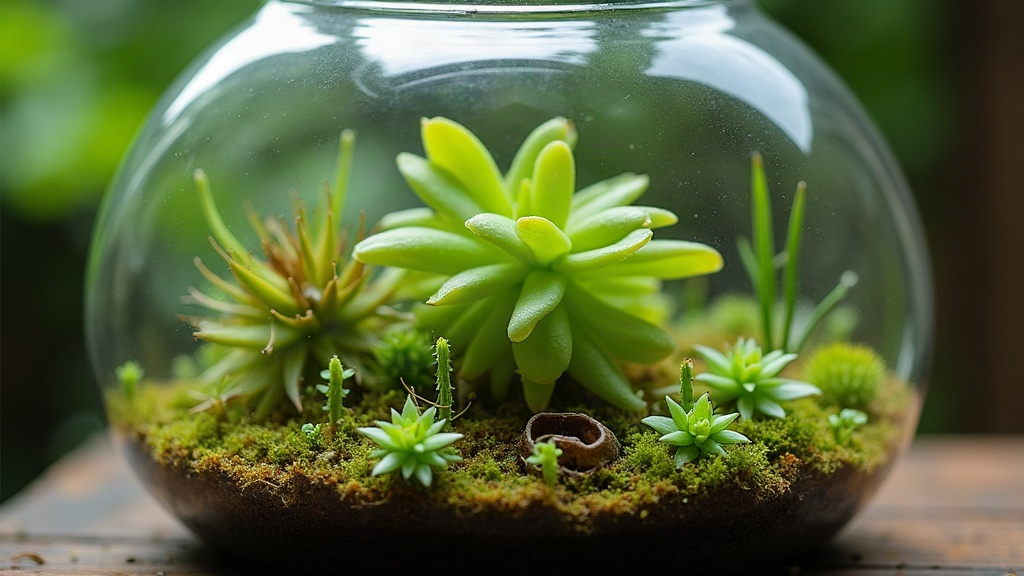
Getting a miniature carnivorous plant terrarium through winter comes down to one thing: matching each species’ natural dormancy cycle by easing light, temperature, and moisture down in stages, not flipping a switch and calling it winter. Force a tropical plant into a cold snooze it was never designed for, or rush a temperate species through the process, and you’ll end up with rot, a fungal mess, or a pot that just sits there empty come April.
Why Dormancy Matters (and Why It Goes Wrong)
Venus flytraps (Dionaea muscipula), the North American sundews (Drosera filiformis, though not D. capensis), and hardy pitcher plants (Sarracenia) all come from temperate bogs that get real winters. These plants need actual cold rest to reset before the next growing season. Deny them that, and you won’t see it happen overnight, but over two or three years they’ll get weaker and weaker until they simply stop coming back.
Tropical species are a different story entirely. Nepenthes, Cape sundews (Drosera capensis), tropical butterworts (Pinguicula), and most of the Drosera varieties sold for terrariums never go dormant in the wild, so cold-treating them does nothing but harm. Here’s the mistake I see constantly: people plant flytraps and Nepenthes in the same little terrarium, then wonder why one half dies every winter no matter what they do.
So before you touch a single setting, figure out exactly what you’re growing. A mixed terrarium with both dormancy-needing and tropical species often can’t be treated as one unit for winter. You may genuinely need to split it into two pots.
Signs Your Terrarium Needs a Dormancy Period
- Venus flytraps, temperate sundews, or hardy Sarracenia in the mix
- Traps or leaves growing noticeably slower as daylight shortens
- Leaves turning yellow or reddish in late fall, this is normal pre-dormancy behavior, not a sign of disease
If everything in there is Nepenthes, tropical butterwort, or Cape sundew, forget dormancy altogether. Just keep conditions steady at 65-80°F (18-27°C) through winter and ease off the watering slightly.
Step-by-Step: Overwintering Dormancy-Needing Species
1. Start the Transition in Early-to-Mid Autumn
Cut light exposure gradually over three or four weeks, taking supplemental grow-light hours from 14 down to 8-10. Don’t just switch the light schedule overnight; a sudden drop confuses the plant’s internal clock, and instead of clean dormancy you get stress rot.
2. Lower Temperature Slowly
Move the terrarium somewhere cooler, an unheated porch, a garage, a cold frame, and do it in stages:
- Weeks 1-2: 55-65°F (13-18°C)
- Weeks 3-4: 40-50°F (4-10°C)
- Deep dormancy: 35-45°F (2-7°C) for 3-4 months
No cold space available? The crisper drawer of a fridge works fine for potted Venus flytraps. Just check on it once a month for mold.
3. Cut Back Watering, Never Let It Fully Dry
Water less often, but keep the medium (usually a sphagnum/peat mix) just barely damp, never soggy. Cold, waterlogged soil is the single biggest cause of winter rot, so tip out any standing water sitting in the tray.
4. Trim Dead Growth, But Leave the Rhizome/Crown Alone
Go ahead and snip off blackened traps or dead leaves once they’re fully spent. But don’t poke around the roots or the central growth point during this window. The plant is still quietly banking energy reserves down there.
5. Reduce Terrarium Humidity
Crack the lid or open the vents. Cold, low-metabolism plants sitting in a humid, sealed box are basically a mold incubator waiting to happen. You want airflow here, not a sweatbox.
Common Dormancy Problems and Fixes
- Mold on dormant plants: Boost ventilation right away, pull out any affected leaf litter, and stop misting.
- Plant doesn’t wake up in spring: Nine times out of ten, the “dormancy” never got cold enough (stayed above 50°F). The plant burned energy all winter without actually resting.
- Total blackening or rot: Usually overwatering during the cold months. Next winter, keep the medium just damp, nothing more.
- Growth appearing mid-winter: A warm spell, say the terrarium sat too close to a heating vent, can wake the plant early. Move it to a stable cold spot immediately.
Bringing Plants Out of Dormancy
Come early spring, just run the whole process in reverse. Raise light and temperature gradually over three to four weeks, bring watering back to normal, and let humidity climb back to typical terrarium levels. Give it a few weeks after full reintroduction and you should start seeing new traps, pitchers, or sundew leaves pushing out.
Conclusion
Success here boils down to knowing which of your plants actually need a cold rest, then treating every seasonal change, light, temperature, humidity, watering, as a gradual slide rather than a hard switch. Split tropical and temperate species apart if you have to, keep dormant plants cool and just barely moist with decent airflow, and try not to fuss over them once they’ve settled into rest. Get it right and your flytraps and hardy sundews will come back each spring looking better than the year before.