Best Terrarium Plants for a Cool North-Facing Bathroom
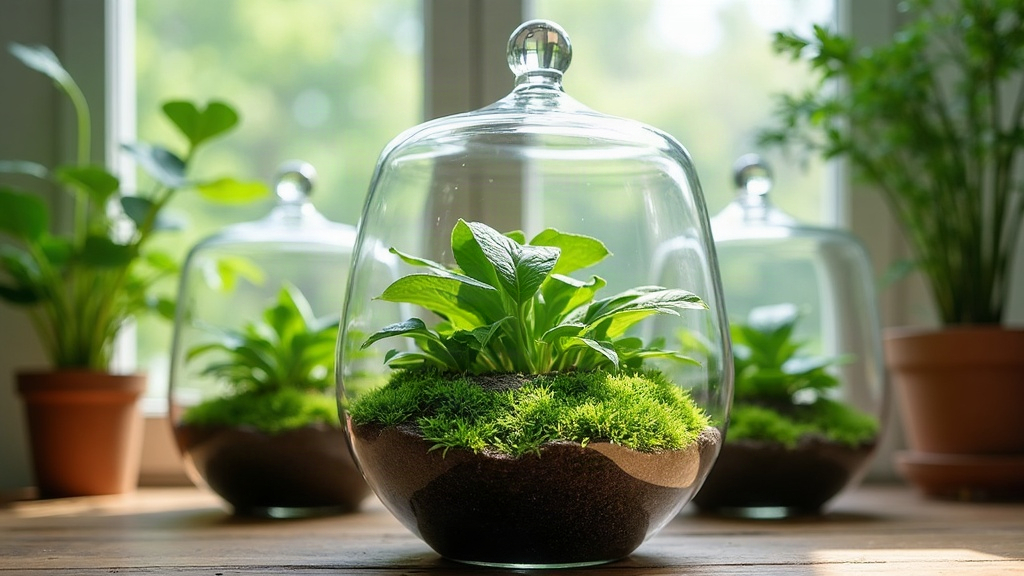
A north-facing bathroom is one of the trickier corners of a house to green up. Cool air, barely any direct sun, maybe a short window of bright light in the morning if you’re lucky. But here’s the thing: a well-chosen terrarium flips that “problem room” into an advantage. The enclosed, humid microclimate inside a terrarium is exactly what a lot of understory plants crave, and several species genuinely prefer the soft, indirect glow of a north window over harsh afternoon rays. Below is a rundown of the best terrarium plants for a cool, dim, north-facing bathroom, along with setup notes to keep them alive and actually growing.
Why North-Facing Bathrooms Are Actually Good for Terrariums
North-facing windows (in the Northern Hemisphere, at least) never get hit with direct sun, so there’s zero risk of your terrarium glass acting like a magnifying lens and frying your plants. Bathrooms also stay humid from showers, which most moisture-loving species love. The real challenges come down to three things:
- Low light intensity. Plants here need to genuinely tolerate shade, not just survive under a “low light tolerant” label slapped on a nursery tag.
- Cooler temperatures. Bathroom tile and flooring stay chilly, especially in winter, sometimes dipping lower than the rest of the house.
- Fluctuating humidity. Soaking wet right after a shower, then dry for the rest of the day. A closed terrarium smooths that swing out nicely.
Top Plant Picks
1. Fittonia (Nerve Plant)
Fittonia’s pink, red, or white-veined leaves add color without demanding bright light. It’s a terrarium classic for good reason: it genuinely wants high humidity, and it’ll dramatically wilt (then bounce back within hours) the moment conditions dry out. Keep it in a closed or mostly-closed terrarium and it stays perky all year, no drama.
2. Peperomia (especially Peperomia caperata or prostrata)
Compact, slow to grow, and happier in low light than most houseplants would ever admit to being. Peperomias store water in their thick leaves, so skipping a misting session for a few days won’t set them back. That makes them a smart pick if your bathroom routine is more “set it and forget it” than daily fussing.
3. Moss (Sheet Moss, Cushion Moss, or Java Moss)
If there’s one plant built for a dim, cool, humid terrarium, it’s moss. No direct light needed, cooler temps are fine, and it actually prefers that soft north-facing glow over strong sun. It also does the quiet work of visually grounding the whole terrarium while asking for almost nothing in return.
4. Pilea depressa or Pilea glauca
Small, trailing, tiny-leaved pileas that root easily from a cutting dropped in water. Compared to their bigger-leafed cousin Pilea peperomioides, these two handle lower light far more gracefully.
5. Baby’s Tears (Soleirolia soleirolii)
A dense, moss-like creeper that thrives on constant moisture and shade. Give it a closed terrarium and it spreads fast, which makes it a great filler plant weaving around taller specimens.
6. Ferns: Button Fern or Maidenhair Fern
Both handle low light and high humidity without complaint. Maidenhair fern is pickier about staying consistently moist though, so it does better closed up or nearly closed rather than sitting in an open bowl where it dries out between waterings.
7. Syngonium ‘Pixie’ (Dwarf Arrowhead Plant)
A miniature arrowhead vine that shrugs off shade and brings some structural, arrow-shaped leaves to the mix. It grows slowly under low light, which honestly works in your favor: less pruning, less maintenance, less thinking about it.
Plants to Avoid in This Setup
- Succulents and cacti. They want bright light and dry air. Stick one in a humid bathroom terrarium and it’ll rot within weeks.
- Croton. Fittonia’s flashier, color-loving cousin needs strong light to keep its patterned leaves vibrant, and it’ll drop them in shade.
- Air plants (Tillandsia). Fine in open air, but trapped in a closed, damp terrarium they’ll mold fast since they need airflow, not stagnant moisture.
Setting Up for Success
- Pick a container that allows some airflow. A fully sealed jar traps too much moisture for anything except moss. A terrarium with a loosely fitted lid, or one you crack open now and then, works better for a mixed planting.
- Build a well-draining substrate layer. Gravel or clay pebbles at the bottom, a thin charcoal layer above that, then a terrarium-formulated potting mix on top. Skip this and you’re looking at root rot within a month or two.
- Forget direct sun, add a small grow light instead. If your north window feels too dim (plants stretching toward the glass, stems getting leggy), a compact LED grow light running 8 to 10 hours a day on a timer solves it without heating up the enclosure.
- Mist, don’t flood. Even in a steamy bathroom, check the soil weekly rather than watering on autopilot. Overwatering kills more terrarium plants than underwatering ever does.
- Stay above 60°F (15°C). Most of these plants tolerate a cool room just fine, but drop below that threshold and growth stalls, or worse, roots start to rot.
Conclusion
A cool, north-facing bathroom isn’t a dead zone, it’s basically a natural terrarium habitat waiting for someone to notice. Fittonia, peperomia, moss, baby’s tears, and shade-loving ferns all do better on indirect light and ambient humidity than they would on a sunny windowsill, turning your bathroom’s supposed weak point into exactly the right growing condition. Leave the sun-hungry succulents out of it, toss in a small grow light if things start looking stretched, and you’ll end up with a thriving, nearly hands-off green corner even in the dimmest bathroom in the house.