Treat Mealybugs on Miniature Begonias Without Soaking a Terrarium
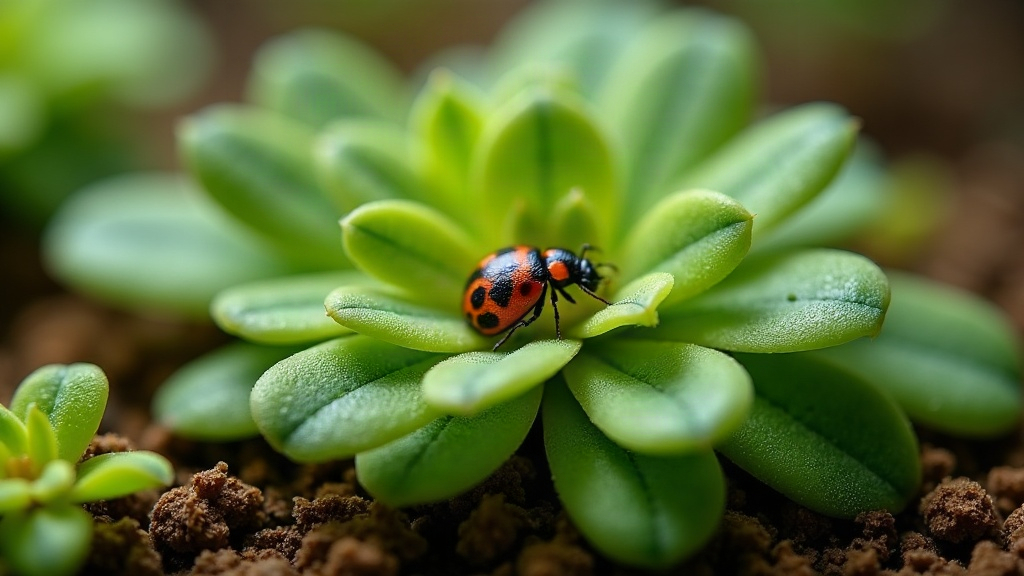
Mealybugs on miniature begonias inside a closed terrarium are a different beast than mealybugs anywhere else. The usual fixes (neem oil drenches, insecticidal soap sprays, soil soaks) can backfire fast. Trap that extra moisture in an already humid box and you’re not fighting bugs anymore, you’re fighting root rot and fungal blooms too. The real answer is to treat with targeted, low-moisture methods, pull the plant out if you can, and crack the lid for a while instead of flooding the whole enclosure.
Why Mealybugs Love Closed Terrariums
A closed terrarium is basically a mealybug resort: steady warmth, high humidity, zero predators. Miniature begonias make it worse because of their soft, fuzzy, heavily textured leaves. Those cottony egg sacs tuck themselves into leaf axils, stem joints, and the undersides of hairy foliage, and they’re almost invisible until the colony’s already established.
Watch for:
- White, cottony clusters at leaf joints or along stems
- Sticky honeydew residue on leaves or terrarium glass
- Sooty mold creeping in on top of the honeydew
- Stunted new growth or leaf edges that start curling
Step 1: Isolate Before You Treat
If there’s more than one plant sharing the terrarium, pull the affected begonia out if you can do it without tearing up the roots. Treating it outside gives you full control over moisture, and any excess liquid gets a chance to evaporate before it goes back in. If the begonia’s mounted or rooted straight into the hardscape and moving it isn’t an option, you’ll have to treat it in place using dry-leaning methods (more on that below).
Step 2: Manual Removal First
Before you reach for any product, go after the bugs by hand:
- Dip a cotton swab lightly in 70% isopropyl alcohol and dab it directly onto visible pests. It kills on contact and dries almost instantly, nothing like a spray that just sits there.
- Use a soft artist’s brush to knock egg sacs loose from leaf axils and tight crevices.
- Wipe leaves down one at a time with a barely damp microfiber cloth instead of spraying the whole plant.
Do this carefully and you can wipe out 60-80% of a light infestation without adding any real humidity to the enclosure.
Step 3: Spot-Treat, Don’t Drench
For whatever’s left, skip full-coverage sprays entirely. Instead:
- Dilute alcohol dabbing: Reapply with a swab every 3-4 days for two weeks, this catches nymphs as they hatch out.
- Diluted neem as a wipe, not a spray: Mix a weak solution (a few drops per cup of water), apply with a cloth or swab only where you see activity, then blot it dry.
- Insecticidal soap on cotton swabs: Same idea, direct application to pests, not a misting of the whole canopy.
Skip soil drenches altogether. In a sealed system, soaked soil can stay wet for days, sometimes weeks, and that’s an open invitation for root rot and fungus gnats on top of the mealybugs you’re already dealing with.
Step 4: Manage Terrarium Airflow Temporarily
While you’re treating, crack the lid or take it off for a few hours a day, for a week or two. This does three things:
- Dries out any moisture you introduced during treatment faster
- Drops humidity just enough to slow mealybug reproduction (they want it consistently humid, not fluctuating)
- Cuts the risk of fungal problems from leftover treatment residue
Once things clear up, seal it back up and go back to normal closed-system care.
Step 5: Introduce Biological Control (Optional)
Got a recurring infestation in a terrarium that’s hard to open up? Predatory insects like Cryptolaemus montrouzieri (the mealybug destroyer ladybird) do well in enclosed, humid spaces and need zero liquid application. If you’re already running a bioactive cleanup crew, this fits right in.
Step 6: Prevent Reinfestation
- Quarantine any new plant for 2-3 weeks before it joins an established terrarium.
- Check miniature begonias weekly, their leaf texture is great at hiding early infestations.
- Go easy on fertilizer. Soft, nitrogen-heavy growth is basically a welcome mat for mealybugs.
- Keep a small fan running or stick to an occasional venting schedule, even in sealed setups, so you don’t end up with stagnant pockets of air that pests love.
When to Consider Removing the Plant
Sometimes the infestation just wins. Thick, webbing-like colonies, heavy leaf drop, or bugs coming back again and again after treatment are signs it might be smarter to pull the begonia out and toss it rather than risk the colony spreading to ferns, mosses, or fittonias sharing that same humid air.
Conclusion
Clearing mealybugs off miniature begonias in a closed terrarium is really about precision, not volume. Dab, don’t spray. Isolate when you can. Adjust humidity temporarily instead of rebuilding your whole setup. Stick with spot treatments for two to three weeks, give the airflow a brief break, and you’ll clear the infestation without throwing off the moisture balance your terrarium relies on.