What to Do When a Terrarium's Glass Lid Hardware Rusts
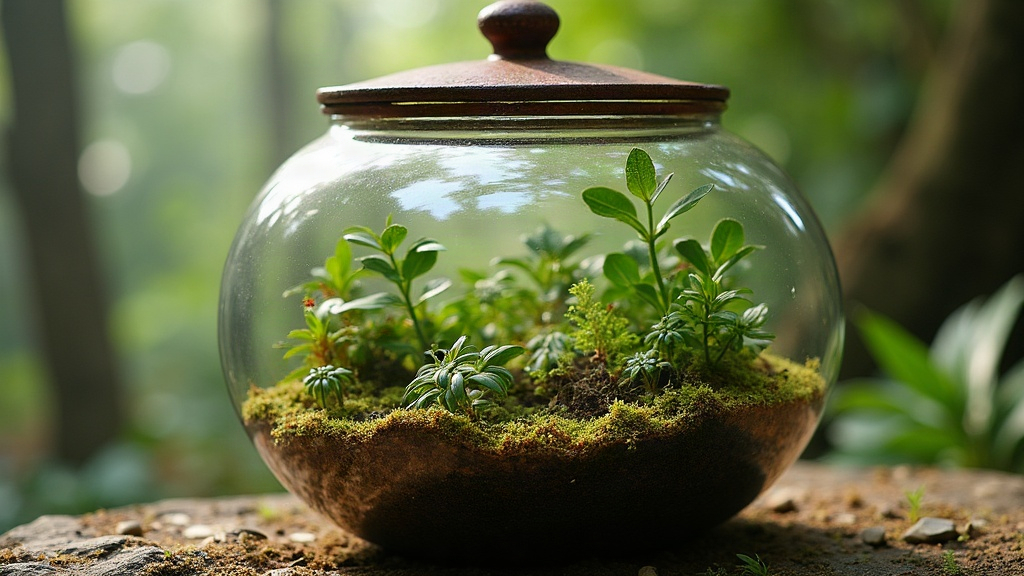
If the metal hinges, clasps, or frame on your closed terrarium’s glass lid are turning orange and flaky, you’re looking at condensation-driven corrosion. It’s a common headache in high-humidity enclosures, and the fix is straightforward: strip the rust off, protect or swap the hardware for something that actually resists corrosion, and tweak ventilation so the problem doesn’t just creep back in a few months later.
Why Terrarium Lid Hardware Rusts
A closed terrarium is basically a water cycle shrunk down to fit on your bookshelf. Moisture evaporates off the soil and plant leaves, condenses on the glass, then drips back down, which means any exposed metal sits in near-constant moisture. Throw grow light heat into the mix and you’ve built a textbook oxidation machine.
Common culprits include:
- Low-grade steel hinges or clasps that aren’t marine-grade or stainless
- Painted or coated metal where the finish has chipped, exposing bare steel underneath
- Screws and fasteners tucked inside the frame that nobody ever sealed
- Decorative brass or iron accents that look charming but were never built for humidity
Even “stainless” steel can surface-rust if it’s a cheaper grade (430, for instance) or if the terrarium’s moisture turns slightly acidic from decomposing leaf litter or fertilizer runoff. Not all stainless is created equal, and manufacturers don’t always advertise the grade.
Step 1: Assess the Damage
Before you touch anything, open the lid and get a close look at the hardware:
- Light surface rust (orange tint, no pitting): easy fix, no parts need replacing.
- Moderate rust with flaking: still treatable, but keep an eye on hinges for structural weakness.
- Heavy pitting or crumbling metal: replace it, full stop, especially if it’s a hinge actually carrying the lid’s weight.
Also check whether rust has bled onto the glass or dripped into the substrate. It leaves reddish stains on rocks, driftwood, or soil, and those need a separate cleaning pass.
Step 2: Remove the Rust
- Remove the hardware if you can. Unscrew hinges or clasps so you’re working away from plants and any livestock.
- Soak in white vinegar for 30 to 60 minutes for light rust. Heavier buildup? Let it soak overnight.
- Scrub with a soft brass brush or fine steel wool. You want to lift the rust, not gouge the metal underneath.
- Rinse thoroughly and dry completely. Skip this and any leftover moisture restarts the oxidation clock immediately.
- Neutralize with a baking soda solution if vinegar residue lingers, then dry once more.
One hard rule: never use rust-removal chemicals or sprays near a terrarium with live plants or animals. The fumes and residues can be toxic in a sealed, enclosed space, and there’s no good way to ventilate it out quickly.
Step 3: Protect or Replace the Hardware
Once everything’s clean and bone-dry, you’ve got two paths.
Protect what you’ve got:
- A thin coat of food-safe mineral oil or microcrystalline wax creates a moisture barrier (reapply every couple of months).
- For spots that don’t touch plants or soil, a clear marine-grade lacquer holds up longer than oil.
Replace with rust-proof materials:
- 316 marine-grade stainless steel: the standard for anything living in constant humidity.
- Anodized aluminum hinges: light, naturally corrosion-resistant, easy to source.
- Nylon or plastic hinge sets: zero rust risk, though they won’t outlast metal in the durability department.
- Powder-coated brass: looks good and holds up fine as long as the coating stays unbroken.
If you’re building or modifying a lid yourself, look specifically for hardware labeled for aquarium or marine use. Generic hardware-store steel was never designed to live in a humidity box.
Step 4: Reduce Future Condensation on Metal
Stopping rust for good is really about managing moisture exposure, not just treating the metal.
- Angle the lid slightly, or pick one with a built-in gap, to cut down on standing condensation pooling right on the hardware.
- Add passive airflow with small mesh vents. Even fully closed terrariums benefit from a little gas exchange.
- Wipe hardware down weekly, folding it into your regular glass-cleaning routine so it’s not extra work.
- Watch your misting schedule. Overwatering spikes humidity, and humidity spikes accelerate corrosion.
- Keep grow lights away from direct contact with metal frames. The heat-moisture cycling from lights sitting right on metal speeds rust formation considerably.
When to Call It a Design Flaw
If you’ve cleaned and protected the same hardware twice in one year and it’s rusting again anyway, that’s your answer: this hardware was never built for a closed, high-humidity setup. At that point, retrofitting with marine-grade or plastic components is cheaper in the long run than repeating this cleaning cycle every few months.
Conclusion
Rusty lid hardware is a maintenance issue, not proof your terrarium is failing, but it’s not something to shrug off either. Degrading metal can eventually compromise the seal or shed debris into your plants below. Clean it promptly with vinegar and a soft brush, dry it thoroughly, then either protect it or upgrade to corrosion-resistant hardware like 316 stainless steel or anodized aluminum. Pair that with slightly better airflow and a quick weekly wipe-down, and your lid stays functional, and rust-free, for years.