Low-Maintenance Desert Terrarium With Haworthia Cooperi
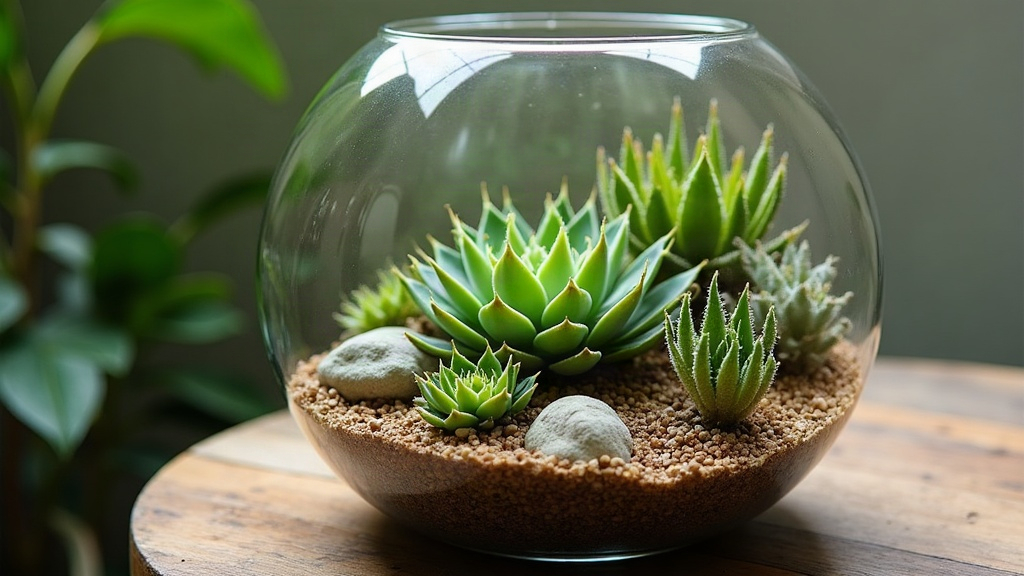
A low-maintenance desert terrarium built with Haworthia cooperi in a shallow bowl might be the easiest weekend project you’ll ever start indoors. Forget closed, foggy glass jars dripping with condensation. This is an open-air, desert-style setup that copies the dry, fast-draining conditions Haworthia actually wants. Less watering, zero misting, and almost no rot risk. Here’s what you need to design, plant, and keep one looking good for years.
Why Haworthia Cooperi Is the Perfect Terrarium Plant
Haworthia cooperi is a small succulent with translucent, window-like leaf tips that glow when light hits them from behind. It’s basically made for terrariums:
- Stays compact (usually under 4 inches tall and wide), so it won’t take over a shallow bowl
- Handles low light better than most succulents do, which makes it forgiving if your apartment doesn’t get much sun
- Needs water infrequently, often just every 2-3 weeks
- Produces offsets easily, so your little terrarium quietly multiplies on its own
It grows slowly too. You won’t be repotting or rearranging things every few months, which is really what “low-maintenance” means here.
Choosing the Right Shallow Bowl
Skip tall glass containers. They trap moisture at the bottom and basically invite rot. Look for something else instead:
- Width over depth: A bowl 6-10 inches wide and 2-4 inches deep gives roots room to spread without water pooling underneath
- A drainage hole, if you can find one (ceramic or glazed ceramic bowls tend to work well)
- No drainage hole? Not a dealbreaker. Just build a proper drainage layer (more on that below)
Unglazed terracotta or shallow ceramic dishes are popular for a reason: they pull excess moisture away from the soil instead of trapping it.
Building the Layers
A desert terrarium lives or dies by its layering. Build it from the bottom up:
- Drainage layer (bottom ½-1 inch): Lava rock, pumice, or small gravel. This creates a little reservoir so roots never sit in standing water.
- Activated charcoal (thin layer): Keeps things fresh and stops odor or bacteria from building up, which matters a lot if there’s no drainage hole.
- Well-draining soil mix (1-2 inches): A cactus/succulent mix works fine, or mix your own with 2 parts potting soil, 2 parts coarse sand, and 1 part perlite.
- Top dressing: Fine decorative gravel, crushed granite, or sand finishes the look and keeps moisture away from the base of the leaves.
Planting Haworthia Cooperi
- Gently pull the plant out of its nursery pot and shake off the excess soil
- Loosen any roots that are wound tight, so they’re encouraged to spread out
- Set it into the soil, keeping the base of the rosette just above the soil line, not buried
- Add the top dressing around the base, but leave a small gap around the stem so moisture doesn’t collect right against it
Want it to look fuller right away? Group 2-3 small Haworthia cooperi offsets together, spaced about an inch apart so they have room to grow.
Watering and Light Care
This is where “low-maintenance” actually earns its name:
- Watering: Only when the soil is bone dry, roughly every 2-3 weeks. A small squeeze bottle or syringe works well for watering right at the base without splashing the leaves.
- Light: Bright, indirect light is the sweet spot. Direct afternoon sun can scorch those translucent tips, while too little light makes the plant stretch out and lose its tight form (etiolation).
- Humidity: None required. This is a dry-climate plant through and through, so keep it off the bathroom shelf and away from a steamy kitchen.
Common Mistakes to Avoid
- Overwatering: The number one killer, hands down. If you’re not sure whether to water, wait another week.
- Skipping the drainage layer: In a bowl with no holes, this is basically asking for root rot.
- Too much direct sun: Leads to browning, or those translucent spots turning a stressed reddish-brown.
- Overcrowding: Offsets multiply faster than people expect. Give them space, or plan to divide the clump every year or two.
Long-Term Maintenance
Once it’s settled in, this terrarium barely asks for anything:
- Rotate the bowl every few weeks so all sides get even light
- Pluck off any shriveled or dead leaves near the base
- Repot or divide the offsets once the bowl starts looking packed, usually every 18-24 months
Conclusion
A shallow bowl desert terrarium with Haworthia cooperi gives you minimalist good looks with genuinely low upkeep. Get the drainage layering right, water sparingly, and give it bright indirect light, and you end up with a tiny self-sustaining desert scene that asks for a few minutes of attention a month, while quietly producing new plants of its own along the way.